Hon. John Dumelo urges farmers to boost dry-season cultivation amid Burkina Faso tomato export ban
Ghana pushes for increased local production as supply concerns rise following Burkina Faso’s move to protect its domestic tomato processing industry
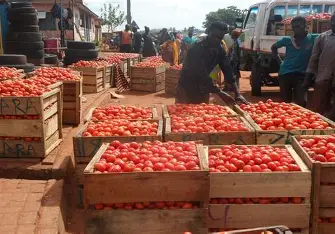
The Deputy Minister for Food and Agriculture, John Dumelo, has called on Ghanaian farmers to expand dry-season farming efforts to help stabilise food supply and strengthen local production.
His appeal follows Burkina Faso’s decision to halt all fresh tomato exports nationwide, a move aimed at safeguarding its domestic processing sector from potential shortages.
The directive, issued in a joint communiqué on March 16, 2026, was signed by the country’s Minister of Industry, Commerce and Artisanat, Serge Gnaniodem Poda, and Minister of State for Agriculture, Water, Animal and Fisheries Resources, Ismaël Sombié.
Speaking on JoyNews’ Midday News on March 19, Mr Dumelo explained that the restriction is intended to support Burkina Faso’s local tomato processing industry an action that could affect Ghana’s food supply chain.
He noted that the ministry is still verifying details of the policy and assessing its potential impact.
“We need to investigate further. I came across a memo yesterday and must confirm its authenticity, understand the reasons behind the ban, and determine the next steps,” he said.
Mr Dumelo stressed that the development highlights the need for Ghana to prioritise domestic production, especially through dry-season farming.
He referenced recent visits to farming communities in the Upper East Region, including Garu and Talensi, where he encouraged farmers to cultivate tomatoes during the dry season.
According to him, many farmers have already taken up the initiative and are seeing positive results.
“Several of them are already producing tomatoes, and some are doing quite well,” he said.
He added that farmers are eager to expand their operations but require government support to scale up production ahead of the next dry season.
“I asked them to indicate the kind of support they need, and the government is ready to assist in boosting production,” he noted.
While admitting that Ghana cannot immediately eliminate its dependence on imports, Mr Dumelo expressed optimism that consistent investment in agriculture could lead to self-sufficiency.
“With the right support and encouragement, Ghana can become self-sufficient in tomato production within three to four years,” he said.