Bishops reject claims LGBTQ+ debate is trivial, call for respectful dialogue and thorough parliamentary scrutiny
Ghana Catholic Bishops' Conference Urges Mahama to Honour Commitment on Family Values Bill
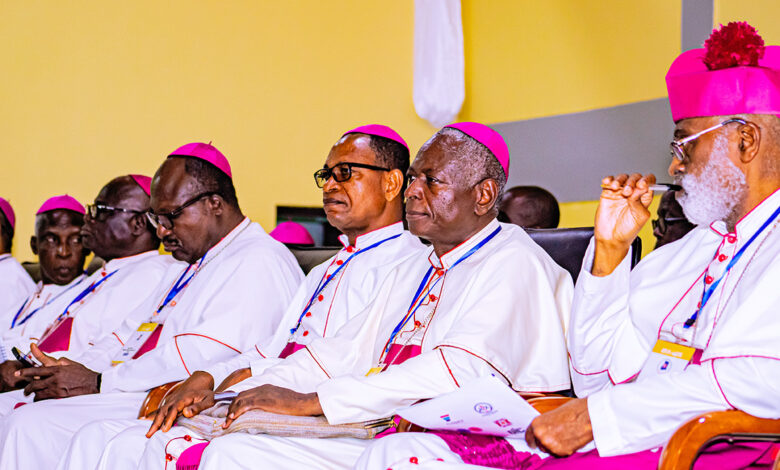
The Ghana Catholic Bishops’ Conference has rejected claims that national conversations on family values and LGBTQ+ issues are unimportant, while urging John Dramani Mahama to uphold his earlier pledge to assent to the Human Sexual Rights and Family Values Bill if Parliament passes it.
In a statement dated April 10 and signed by Matthew Kwasi Gyamfi, President of the Conference, the bishops responded to recent remarks attributed to the President and the Minister of Government Communications, Felix Kwakye Ofosu.
The Conference referenced reports suggesting that President Mahama had described LGBTQ+ matters as not among the country’s most pressing concerns, while the minister reportedly characterised the debate as a low priority for Ghanaians.
According to the bishops, such statements regardless of intent risk portraying moral and social issues as insignificant. They argued that topics affecting human identity, family structure, and societal continuity cannot be dismissed as trivial.
The group also challenged the notion that economic development and moral values are separate priorities, stressing that strong family systems contribute to better education outcomes, lower crime rates, and improved economic progress.
Reaffirming its stance, the Conference highlighted two key principles: the inherent dignity of every individual, regardless of sexual orientation, and the need to preserve the traditional family structure based on a union between a man and a woman.
The bishops condemned all forms of violence, discrimination, and hatred against individuals, describing such acts as unacceptable and harmful to society.
On the proposed Human Sexual Rights and Family Values Bill, the Conference reminded the President of his earlier commitment to sign the bill if it is duly passed in accordance with constitutional procedures. They emphasized that leadership credibility depends on honoring public assurances.
However, they also acknowledged that certain aspects of the bill have generated legitimate concerns and should undergo careful parliamentary review and possible revisions.
The bishops further called on key stakeholders including government, Parliament, religious institutions, traditional leaders, and civil society to engage in respectful and meaningful dialogue on the issue.
They reaffirmed the Church’s willingness to contribute constructively to the national conversation, emphasizing dialogue grounded in respect, clarity, and thoughtful engagement.