Tanzania Inquiry Reports 518 Deaths After Election Protests
Commission calls for further investigations as opposition disputes findings
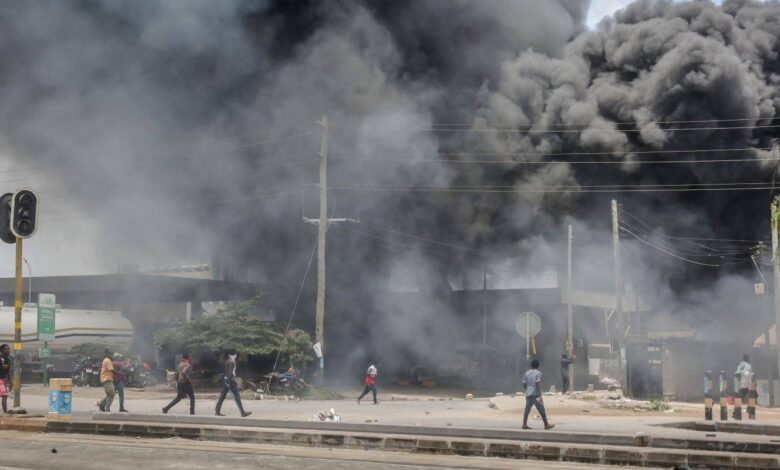
An official inquiry into post-election unrest in Tanzania has revealed that 518 people died from “unnatural causes” following widespread protests after last year’s general election.
The commission, chaired by Mohamed Chande Othman, presented its findings but stopped short of assigning blame, instead recommending further investigations to determine responsibility.
The protests followed the October 29 election in which President Samia Suluhu Hassan was declared winner with 98 per cent of the vote, a result the opposition described as undemocratic.
Opposition parties and human rights groups have accused security forces of using excessive force against protesters, while international observers, including the African Union and Southern African Development Community (SADC), raised concerns about the credibility of the electoral process.
According to the report, most of the victims were male, with 21 children and 16 security officers among the dead. At least 197 deaths were attributed to shotgun wounds, while more than 2,000 people were injured.
The commission noted that the actual death toll could be higher, as some victims were reportedly buried without official documentation.
President Samia, responding to the report, said the violence had “shaken the nation” but defended the actions of security agencies, arguing they prevented the country from descending into chaos. She also claimed the unrest was orchestrated by groups seeking to destabilise the state.
However, the main opposition party, Chama cha Demokrasia na Maendeleo (Chadema), rejected the findings, describing the report as a “cover-up” and accusing authorities of attempting to shield those responsible.
The inquiry dismissed allegations of mass graves, stating such claims could not be substantiated, and suggested that some images circulating online may have been manipulated.
The protests, which began in Dar es Salaam, spread nationwide and were largely driven by frustrations over political exclusion, unemployment, and calls for reform.
The commission has recommended compensation and support for victims, a national day of mourning, and the establishment of a separate criminal inquiry to identify those responsible. It also proposed constitutional reforms ahead of the next general election in 2028.