
Ghana Welcomes Burkina Faso’s Tomato Export Resumption
Move to lift export restrictions expected to ease shortages and stabilize prices as government boosts local production efforts
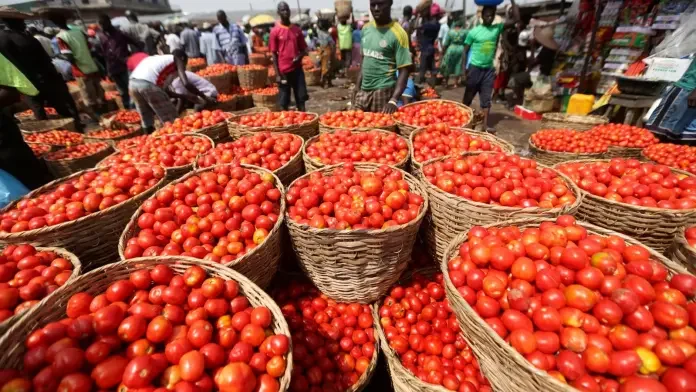
Ghana’s government has welcomed Burkina Faso’s decision to lift the suspension on issuing Special Export Authorizations (ASE) for fresh tomatoes. This move is expected to reestablish cross-border trade and relieve pressure on Ghana’s domestic market.
A statement from the Ministry of Trade, Agribusiness and Industry explained that the decision results from improved tomato supplies to Burkina Faso’s processing plants and commitments from stakeholders to prioritize local industrial needs.
The ministry stated that this development could stabilize Ghana’s tomato supply, which has faced shortages recently, affecting availability and prices, especially in large urban markets.
The government credited ongoing bilateral talks highlighted by recent discussions between Trade Minister Elizabeth Ofosu-Adjare and her Burkinabe counterparts during the WTO MC14 in Yaoundé for this breakthrough. They emphasized that lifting the restriction marks a significant outcome of these efforts and is set to enhance trade relations between the two nations.
Further collaboration with Burkinabe authorities and industry players will continue to ensure a smooth, mutually beneficial flow of goods, especially agricultural produce.
While imports have resumed, the government remains committed to boosting local production to decrease reliance on imports. Initiatives like Feed the Industry and Feed Ghana are being intensified to increase yields and ensure sustainable tomato supply.
Targeted value chain interventions, including irrigation projects to support year-round cultivation and encouraging processors to invest in local production through backward integration, are also underway.
The government mentioned that suitable lands are being prepared for large-scale tomato farming to meet both industrial and domestic demand.
It called on traders and stakeholders to support these initiatives, emphasizing that their ultimate goal is to protect consumers and develop a resilient local tomato industry.