Sam George Urges Global Protection for Telecom Infrastructure at ITU Conference
Minister calls for international safeguards as attacks on digital systems rise in conflict zones
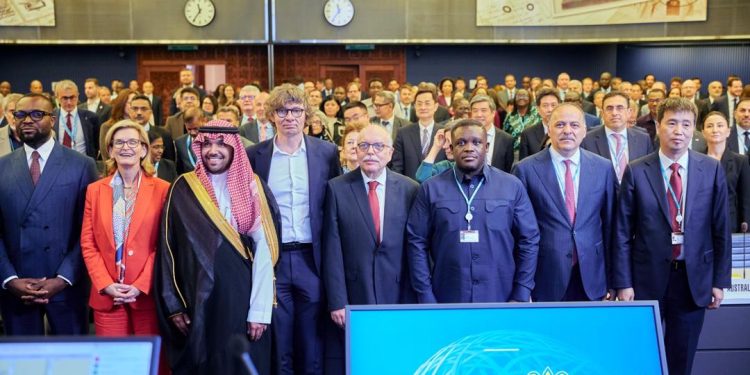
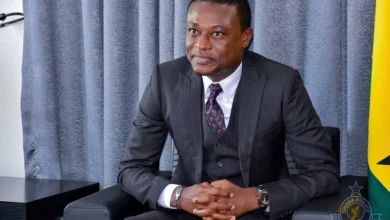
The Minister for Communication, Digital Technology, and Innovations, Samuel Nartey George, has called on the international community to prioritise the protection of telecommunications infrastructure during periods of conflict.
Speaking at the ongoing International Telecommunication Union (ITU) Conference in Geneva, Switzerland, he emphasised the need to treat telecom systems as critical infrastructure, comparable to hospitals and educational institutions.
Mr. Nartey George noted that telecommunications networks play a vital role in delivering essential services such as healthcare, education, and emergency response, making them indispensable in modern societies.
He warned that disruptions to these systems could have immediate and widespread consequences, particularly for institutions that depend heavily on stable connectivity.
Highlighting growing concerns, he pointed out that attacks on telecom infrastructure pose serious risks to national stability and public safety, especially in conflict-affected regions.
The Minister further urged the ITU to take a firm global stance on the issue, stressing that the increasing targeting of telecom systems in conflict zones requires urgent and coordinated international action.
Referencing ongoing tensions in the Gulf region, he noted that the problem is not isolated and should be addressed through a broader global framework.
Mr. Nartey George advocated for telecommunications infrastructure to be formally recognised under international protection regimes, similar to protections afforded to hospitals and schools.
He explained that such recognition would help safeguard critical services and protect civilian populations during crises.
Ghana, he added, supports ongoing international efforts to manage conflicts but believes stronger collaboration is needed to prevent the growing threat to digital infrastructure worldwide.
“We know that there are international standards and protocols when it comes to things like hospitals and schools. It is important that the ITU uses this as a flagship to make a statement globally on how we see telecommunication infrastructure.
“Because if telecom infrastructure is affected, it affects the delivery of hospitals and even schools. And so Ghana supports this motion and says that we must take a stand that goes beyond the current issues in the Gulf, but globally, that the ITU must take a position on telecom infrastructure to ensure that it is protected infrastructure along the lines of hospitals and educational facilities.
“And so with that, we support the call for some critical work to be done relative to the current situation in the Gulf and other situations across the globe where telecom infrastructure is becoming targeted during periods of conflict,” he said.